AusSTS 2026 Antipodean Interruptions 9-11 November 2026 Te Herenga Waka - Victoria University of Wellington
Donna Cormack (Waipapa Taumata Rau University of Auckland/Ōtākou Whakaihu Waka University of Otago), Benjamin Hegarty (UNSW Sydney), and Chia-Ling Wu (National Taiwan University), chaired by Celia Roberts (Australia National University)
Human bodies have long been a site of contention where debates around health, wellbeing, society, Indigenous rights, autonomy, environmental impacts, and politics play out. Science is repeatedly (mis)used to support framings of human bodies and their biological processes and attempt to naturalise these on binary terms. The plenary speakers will share their thoughts on observation, ethics, and communication in the process of undertaking STS research. Panellists will be in conversation about training the STS lens through recent work on viruses, reproductive labour pain, and Indigenous data sovereignty. Informed by research from Aotearoa, Australia and Asia, the panellists will explore the ethics and politics of training a specifically ‘Australasian’ STS lens.
I introduced my research on the history of the GB virus, a virus identified in the context of HIV and hepatitis research, which has been demonstrated to have benefits for its human hosts. I speak about the lessons of a ‘good virus‘ for an ethnographic study of global health based on research in Papua New Guinea, which raises new questions about ethics, diagnostics, and biovalue.
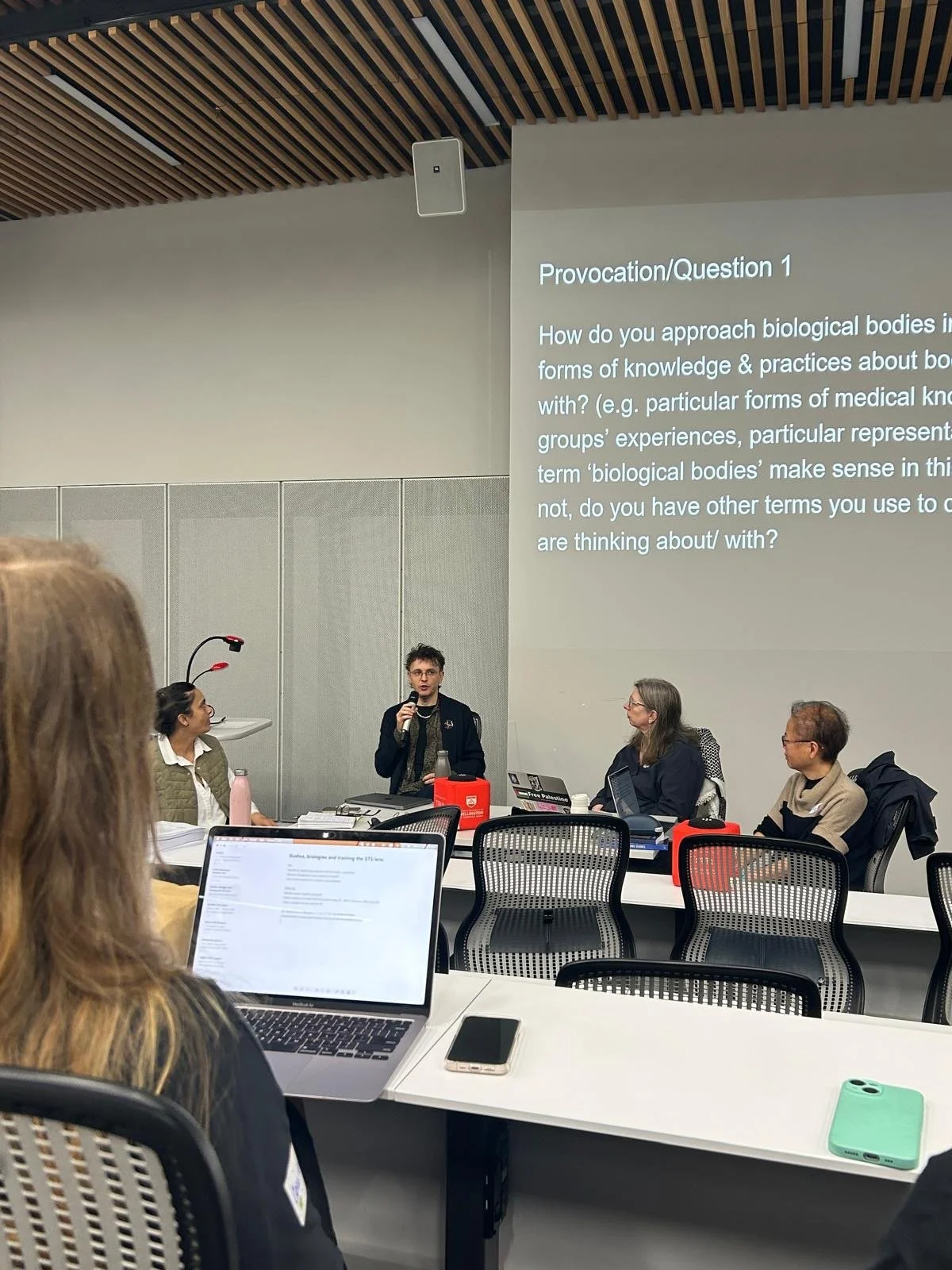
Invited plenary keynote on Bodies, Biology, and Training the STS Lens
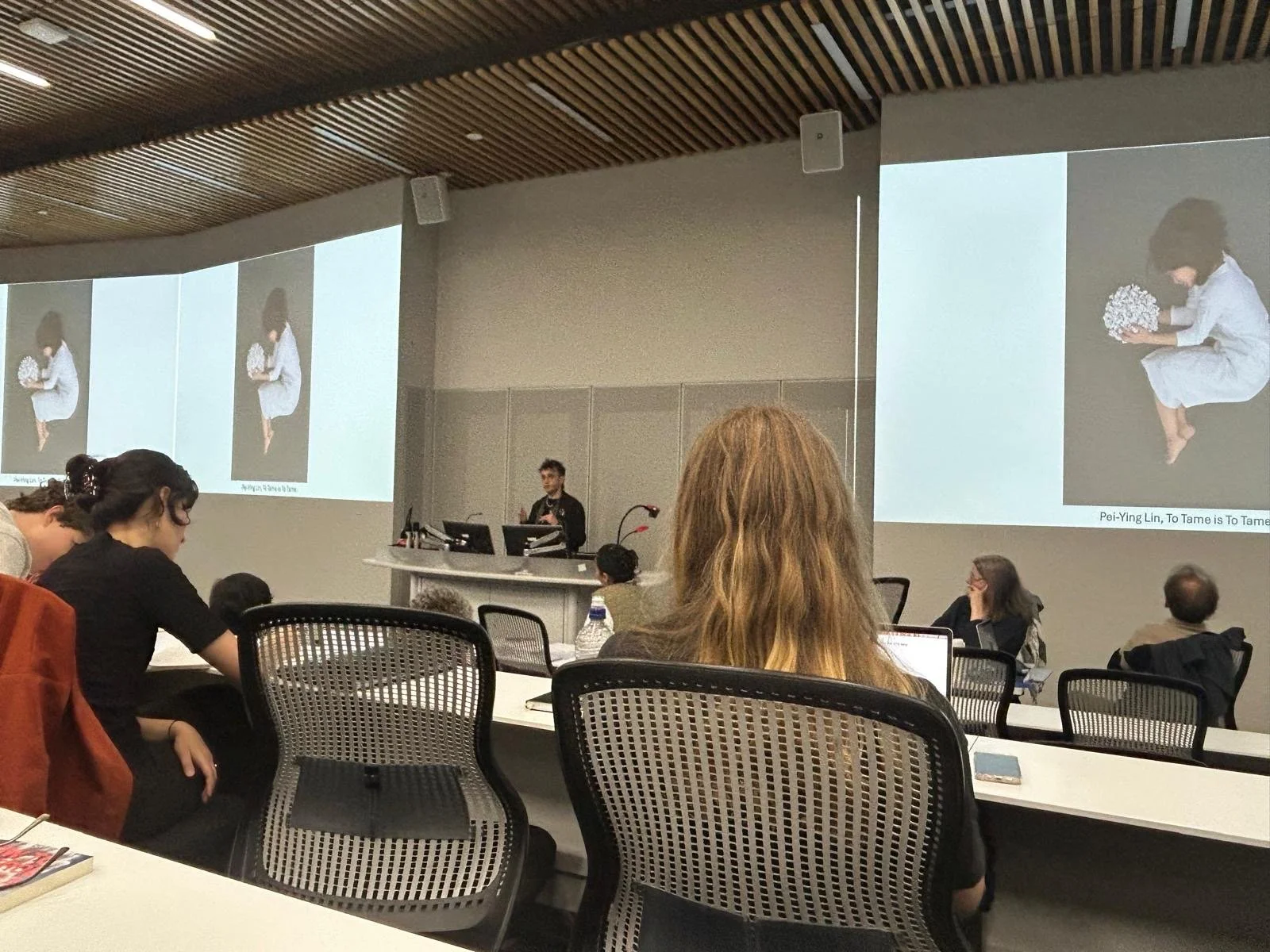
Invited plenary keynote on Bodies, Biology, and Training the STS Lens